
Functional Nutrition, the Next-Gen Protein
and Sustainable Food Systems.
Everything you need to know, in one place.
Our Blog
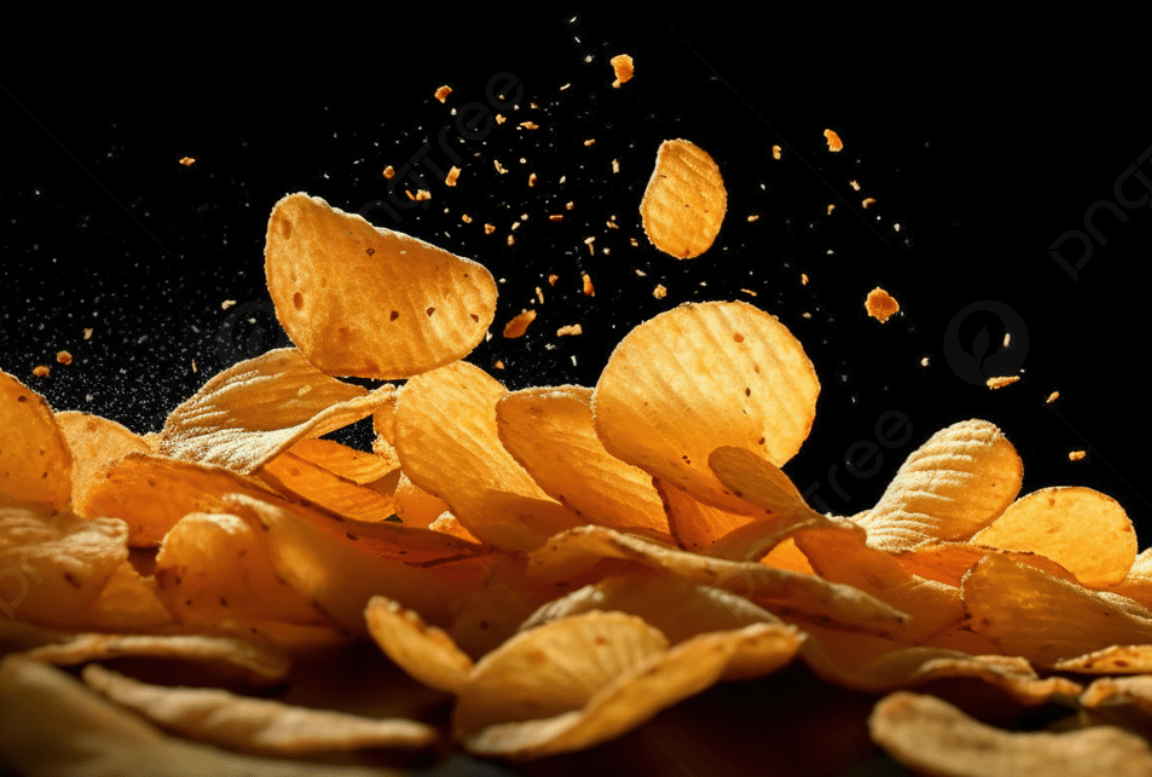
Functional Nutrition
Learn how simple ingredient swaps and smarter choices make everyday snacking healthier and more satisfying.
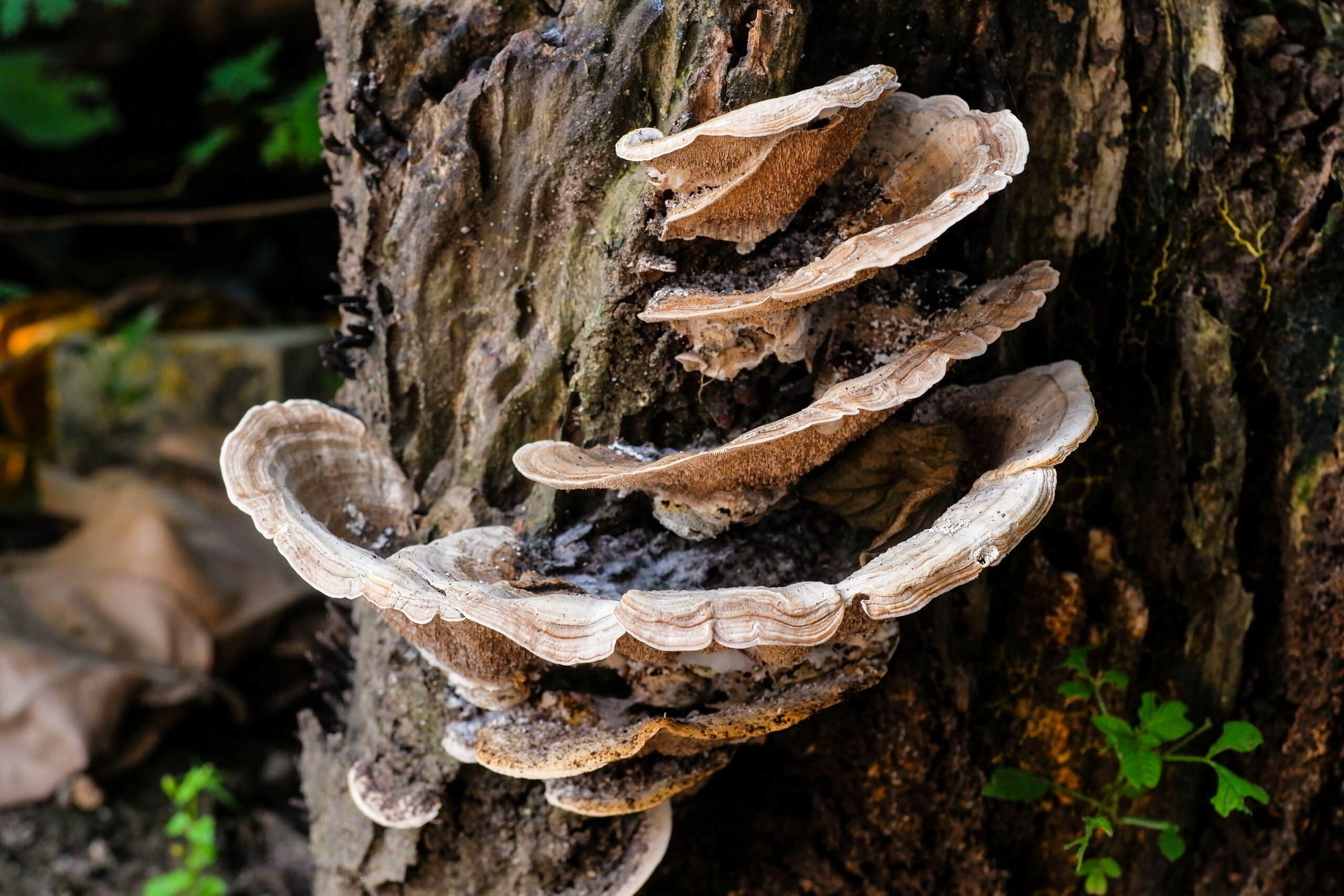
Next-Gen Protein
Learn more about our magic ingredient—mycoprotein: how it’s grown, why it’s sustainable, and why it’s a modern protein.
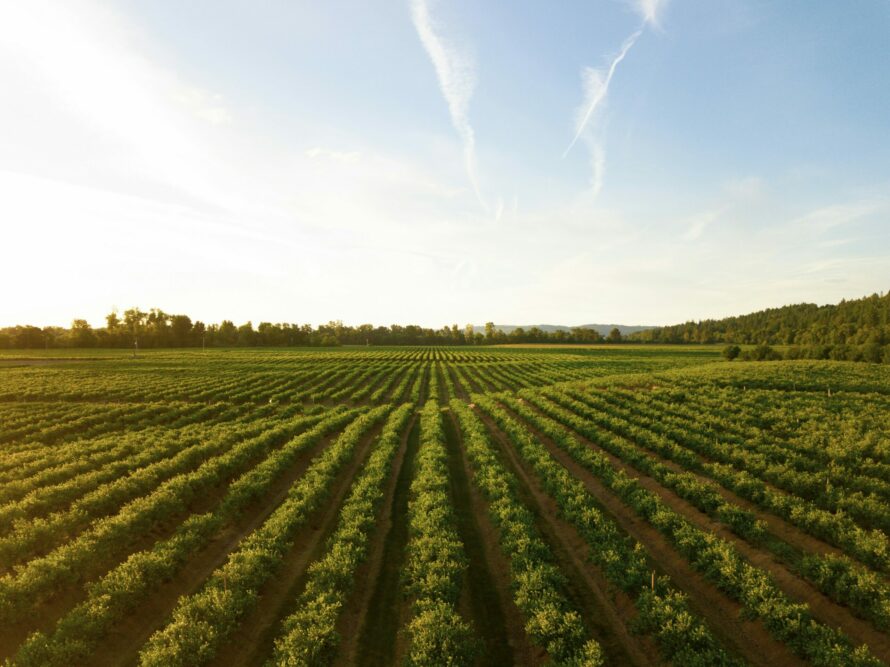
Sustainable Food Systems
Understand the impact of food production and how sustainable systems can shape a cleaner future.
Are Crisps Really Unhealthy? A Simple Breakdown of What’s Inside Your Favourite Snack
Stop hiding the crisp packet. The next generation of snacks swaps empty calories for real nutrition: 3x the protein, 4x the fiber, and nearly half the fat of traditional crisps. Here’s how your favorite crunch got a major upgrade.
What Makes a Snack ‘Healthy’? The 5 Ingredients to Look For (and Avoid)
Organic. Gluten-Free. Natural. These feel-good labels are a marketing minefield. The truth? A ‘healthy’ crisp can still be junk food in disguise. Your only map through the snack aisle is the ingredient list, here’s how to read it.
Fibre-Rich Snacks: The Secret to Better Digestion and Energy
Constant snacking. Afternoon crashes. The bloat that makes you unbutton your jeans. You blame stress or lack of sleep. But what if the culprit was a single, unsexy nutrient you’re probably missing? Welcome to the untold power of fiber.
What Makes Forma Crisps Better Than Traditional Crisps
What if your favorite snack didn’t have to betray you? We re-engineered the crisp from the ground up. Not to be a ‘health food,’ but to be something better: a delicious snack that actually fuels your body instead of draining it. The crunch is the same. Everything else is different.
High-Protein Snacks: Why They Keep You Full for Longer
Hunger is a hormonal conversation. Protein is the only macronutrient that effectively interrupts it. Discover how 8-10g of the right protein can turn a snack from a momentary craving into hours of steady fuel and focus.
How Mycoprotein Is Made: The Fermentation Method Behind Modern Protein
Fermentation has been around forever, but using it to turn fungi into protein is pretty clever. Feed a fast-growing fungus some plant sugars, let it grow, and you get mycoprotein: high in protein, low in fat, eco-friendly, and perfect for modern snacks.
Why Mycoprotein Is Becoming the UK’s Next Big Food Trend
Mycoprotein is emerging as the UK’s go-to healthy snack. Sustainable, tasty, and convenient, it’s perfectly suited for modern, health-conscious lifestyles.
Mycoprotein vs Plant Protein: What’s the Difference?
Mycoproteins and Plant Proteins are both good, nutritious ways to replace meat. However, there are some differences between them when it comes to nutritional content, textural characteristics and environmental impact. Thus, both types of protein provide the opportunity to make an educated choice about which type of protein works best for you.
What Is Mycoprotein? The Natural Protein powering our crisps
Scientific. Mysterious. Sustainable. Mycoprotein sounds like it belongs in a sci-fi lab, but it’s actually nature’s most modest overachiever. The truth? Most “healthy” snacks are just empty calories with better PR. Mycoprotein is the real deal—a fermented, fiber-rich protein that’s been fueling the UK for decades and is finally here to save your snack drawer.
Can Fungi Be a Main Protein Source? The Science Behind Edible Fungi
Complete. Sustainable. Versatile. In the scramble for alternative proteins, fungi have moved from the side dish to the spotlight. The truth? While common mushrooms are nutritional powerhouses, you’d have to eat about 20 portobellos just to match one chicken breast—a challenge for even the most dedicated fungus fan.
Regenerative Food Systems: What They Are and Why They Matter
What if our food didn’t just do less harm, but actually helped restore the planet? Regenerative food systems go beyond sustainability, focusing on rebuilding soil health, biodiversity, and resilience across the entire food chain — from farms to everyday food choices.
How Potato Farming Affects Land Use, Soil, and Emissions
Potato crisps may look simple, but their journey from field to fryer is anything but. From land use and soil health to fertilizers and energy-intensive processing, this article explores how potato farming impacts the environment—and why rethinking food systems matters for the future of snacks.
How Much Land Does Modern Agriculture Actually Use?
From your plate to the planet, modern agriculture uses more land than most of us realise. This article explores how much of the world’s habitable land is devoted to food production, why land use matters for biodiversity and climate, and what it means for the future of food.
How Fermentation Is Transforming Sustainable Food Production
Fermentation is moving from ancient tradition to modern solution. By producing food in controlled, land-efficient systems, it’s helping ease pressure on ecosystems while delivering dense nutrition with fewer resources.
What Makes a Snack Sustainable? Simple Guide for Eco-Friendly Shoppers
Sustainable snacks aren’t defined by labels alone. From land use to production systems, discover what really makes a snack better for the planet.